Student Story
The Ivy League Challenge changed what I was chasing — and got me into Cornell.


Before I worked with Steve Gardner, I had a very clear definition of success in high school: president of the most clubs, highest GPA, highest SAT. That was it. That was what I thought getting into a top college required.
The Ivy League Challenge changed that completely.
I started the program in eighth grade and then joined the Global Impact Council afterward.
What surprised me most was that we didn't start with college strategy. We started with health.
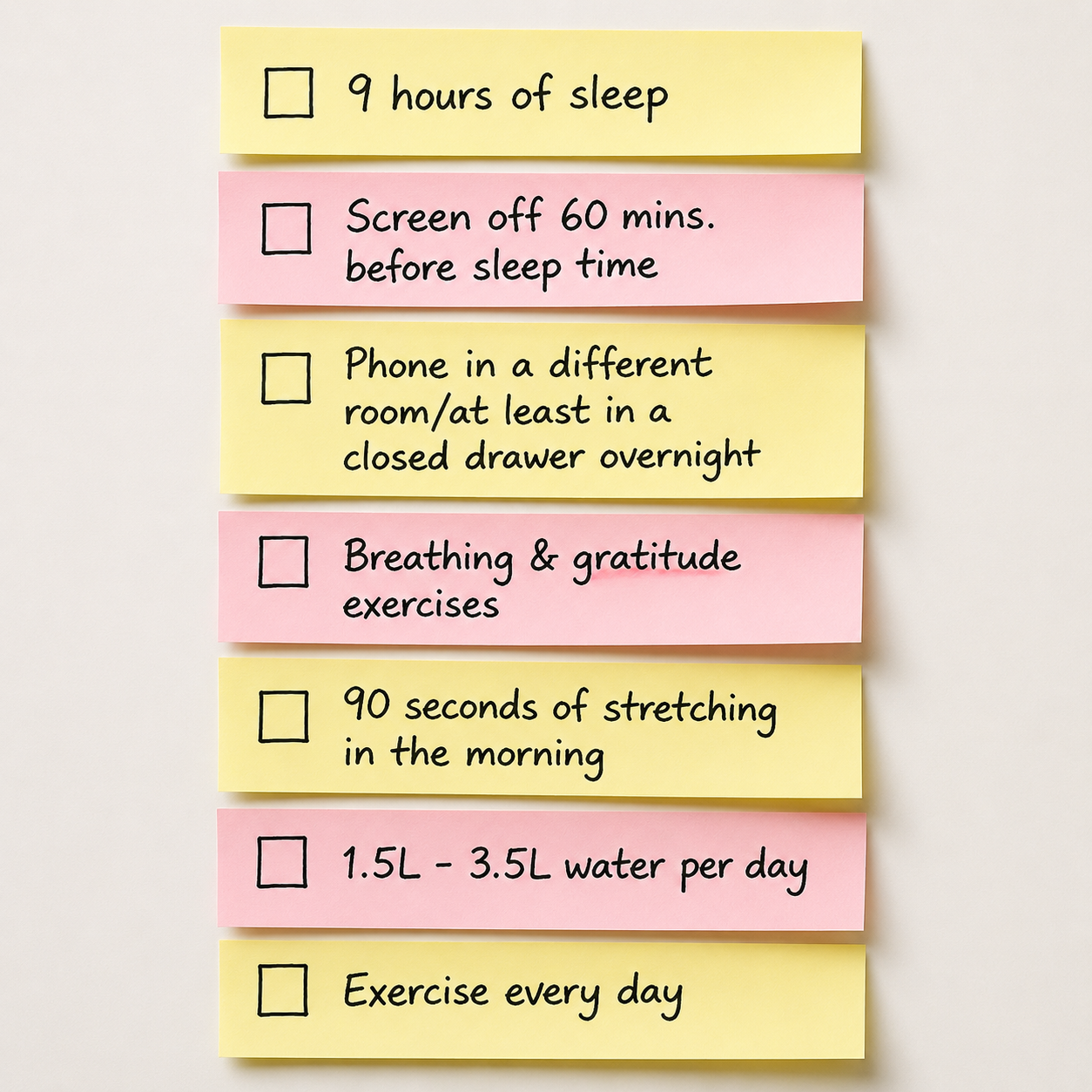
There's a challenge at the beginning of the program where you track things like getting eight hours of sleep, drinking enough water, and staying off your phone before bed. It sounds simple, but it was a genuine reminder that how well your brain functions depends on how well you take care of yourself. I still keep up those habits today.
Then came the core values work. Steve worked with us to figure out what we actually care about — what we're passionate about, what we're good at, what makes us angry. Through that process, I identified my three core values. As someone who has been building things his whole life, competed in Science Olympiad for four years, played in orchestra, and been a Boy Scout, those values were already showing up everywhere in my life. I just hadn't named them.
- Community
- Leadership
- Curiosity
Once I had that clarity, everything else followed.
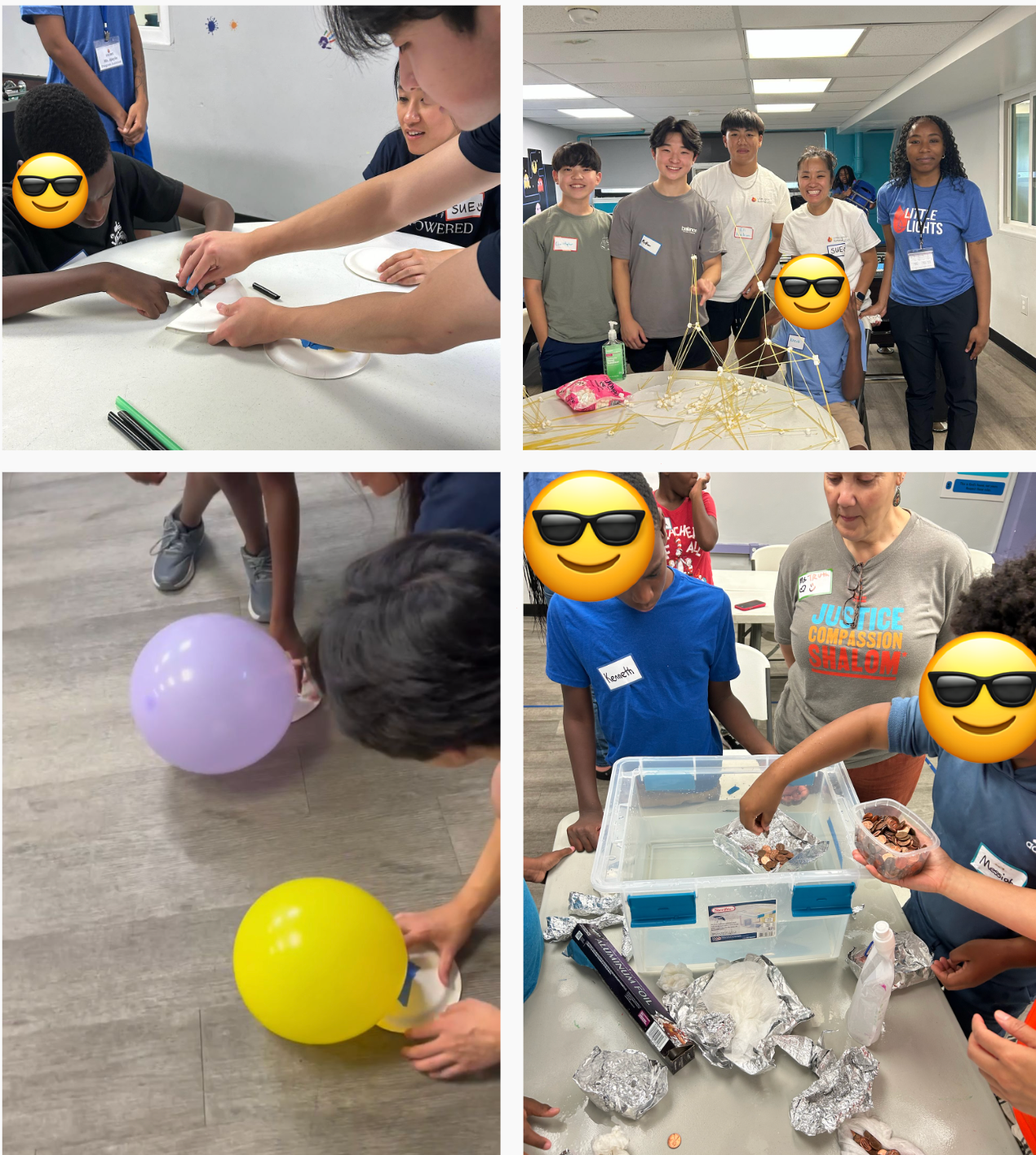
My impact project grew directly from my core values. On a mission trip to Calcutta and Mexico with my church, I noticed that kids with far fewer resources than me lit up when we did building activities. I realized there were probably kids like that near my home who just hadn't been exposed to STEM yet.
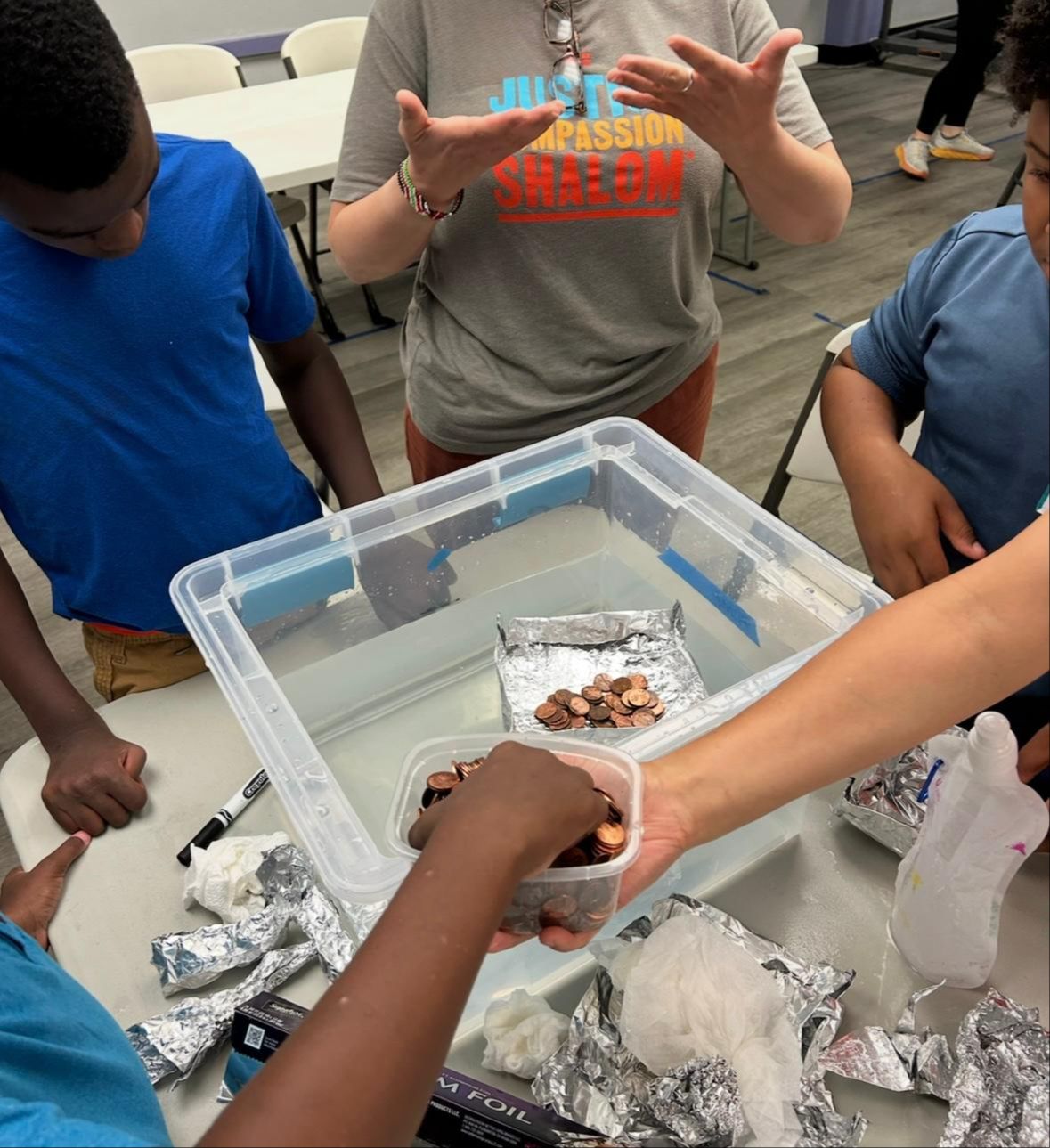
So, I created one. I organized a week-long STEM camp for a primarily Black community in Washington D.C., working through a connection from my church. Every morning for a week, I led 15 kids ages six through twelve to do hands-on science experiments like spaghetti and marshmallow towers, tin foil barges, engineering design challenges.
The goal wasn't to impress anyone. It was to get kids excited about building and thinking critically.
That camp became the centerpiece of my college application, and I later spoke about it at a Harvard Leadership Conference and at Global Impact Council Conference because of Steve's help and connections.
Steve also helped me with my college essays in ways I didn't expect. I went through multiple complete drafts of my personal statement — scrapping one version entirely in October and starting fresh under serious time pressure. What Steve taught me was that the best essays aren't about being impressive. They're about being interesting. His framework for finding a contradiction or a unique story in your own life gave me a completely different way to think about writing.
My personal statement ended up being about my conversations with my grandfather, who is in his nineties and was born when Korea was still under Japanese occupation. Because I take AP Japanese as an elective, I've been able to have full conversations with him in Japanese — the same language that once represented oppression for him now serves as a bridge between us, especially as Parkinson's has made communication harder.
Steve helped me see that story for what it was: not just a family anecdote, but a window into how I think about language, empathy, and connection.
I believe those essays were a significant part of what got me into Cornell.

The Ivy League Challenge equips you with the right framework. What you build with it is up to you.
If I could go back and tell my eighth grade self one thing, it would be this: start your impact project sooner. Don't wait until it's perfect. Nothing is perfect the first time, and you can't plan for problems you haven't encountered yet. The earlier you start, the bigger it can become.
To students who are debating whether to invest in the Ivy League Challenge: it's a program that forces you to set real goals and then take action on them. That's the most important part. Steve gives you a framework for approaching high school with intention but the results only come if you actually do the work.
To parents: the program is absolutely worth it, but your student has to want it. No amount of advice leads to results until someone starts acting. The Ivy League Challenge equips you with the right framework. What you build with it is up to you.
This fall, I'll be studying mechanical engineering at Cornell following in the footsteps of both my father and my older sister, and finally getting to work on projects with real-world impact rather than just competition rules. I can't wait.
Matthew Kim is an incoming freshman at Cornell University studying mechanical engineering. He grew up in Northern Virginia and attended Langley High School.
Moments Along the Way